How to Choose a No-Mess Litter Box
Material is the single biggest long-term factor. Plastic develops microscopic scratches from scooping that trap urine and bacteria, which is why an older plastic box smells even when freshly cleaned. Stainless steel is non-porous — it doesn't absorb odor, doesn't scratch under a metal scoop, and can be sanitized with hot water without degrading. If persistent smell is your main complaint, switching materials will do more than switching litters.
Wall height determines how much litter and urine stays inside. Cats that dig enthusiastically or urinate standing up need side walls of at least 8–10 inches. Look for a lowered entry point on one side so kittens and senior cats can still step in comfortably while the remaining walls stay high.
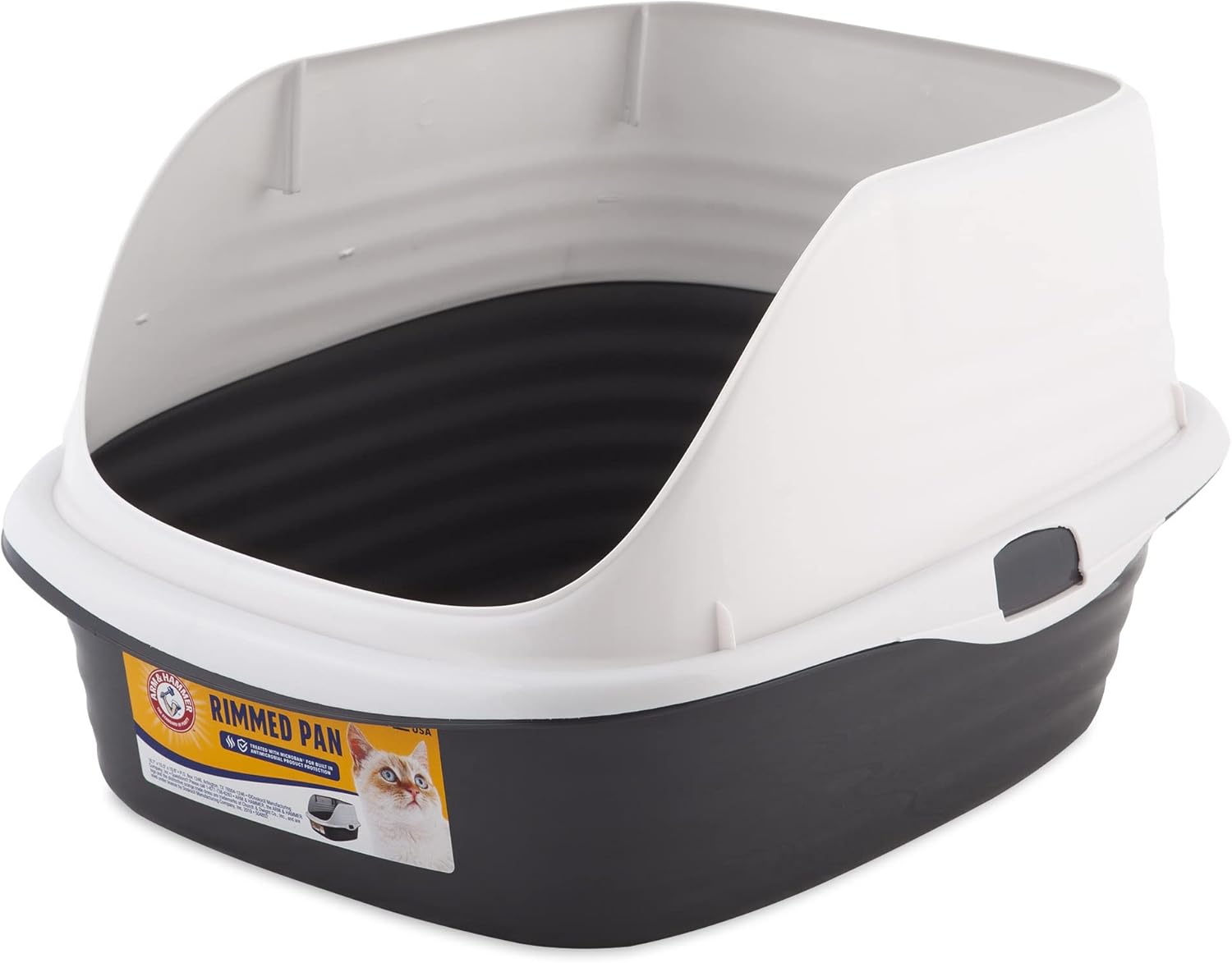
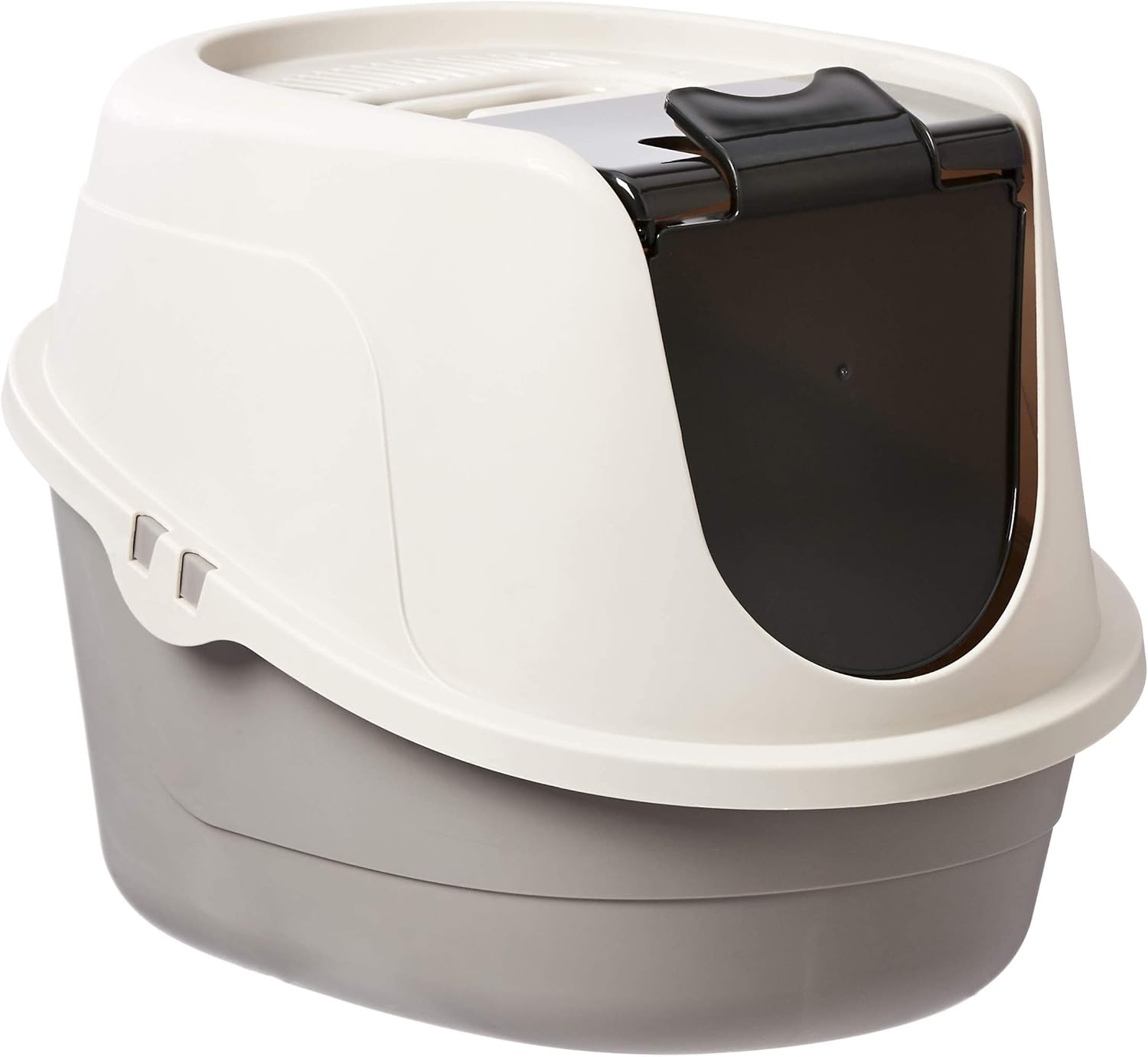
Enclosed versus open-top is largely a cat-preference question. Hooded and lidded boxes contain scatter and give privacy-seeking cats a den-like space, but some cats — especially larger breeds or those with past ambush experiences in multi-cat homes — refuse covered boxes. If you're unsure, choose a high-sided open design first; it solves the mess problem without the acceptance risk.
Size matters more than most owners assume. The common guideline is a box at least 1.5 times the length of your cat from nose to base of tail. Cramped boxes lead to over-the-edge accidents and, in worse cases, avoidance. Extra-large (XL) pans cost only slightly more and prevent the most common cause of out-of-box incidents.
Our Final Recommendation
The OneBug stainless steel XL is our top pick — its high walls and non-stick steel surface address leaks, scatter, and odor in one design. Budget buyers get most of the benefit from the Arm & Hammer rimmed box with Microban at a fraction of the price. For cats that prefer privacy, the WoofiGo enclosed stainless box is the strongest covered option, while the Amazon Basics hooded box is the value choice for standard-size cats.
 Check Price on Amazon →